Weeds are the arch-nemesis of every lush, green lawn. Whether you’re a seasoned gardener or just starting out, controlling lawn weeds is essential to maintaining a beautiful, healthy lawn. In this blog post, we’ll cover effective strategies for tackling lawn weeds, from prevention to removal, and everything in between.
1. Know Your Weeds: Identification Is Key
The first step in controlling weeds is identifying them correctly. There are two main categories of weeds: broadleaf and grass-like weeds.
Broadleaf weeds: These weeds have wider leaves and often grow taller than grass. Examples include dandelions, clover, and plantain.
Grass-like weeds: These weeds resemble grass but often have a different growth pattern. Examples include crabgrass, quackgrass, and nutsedge.
Knowing which weeds you’re dealing with will help you choose the right treatment.
2. Proper Lawn Care: Prevent Weeds from Taking Hold
A healthy lawn is the first line of defense against weeds. Weeds thrive in lawns that are weak or poorly maintained, so the better care you take of your lawn, the less likely weeds will invade. Here are some tips for a healthier lawn:
Mow Regularly: Keep your grass at the recommended height for its type. For most lawns, this is around 2.5 to 4 inches. Taller grass shades out weeds and prevents them from sprouting.
Water Deeply, Not Frequently: Lawns benefit from infrequent deep watering, which encourages deep root growth. Shallow, frequent watering promotes weak grass and encourages weeds.
Aerate Your Lawn: Aeration helps improve soil structure, reduce compaction, and increase root growth. This creates a healthier lawn that can better resist weed invasion.
Fertilize Properly: A balanced fertilization routine can keep your lawn strong and dense, making it harder for weeds to establish themselves.
3. Weed Control Methods
Once you’ve taken the necessary steps to care for your lawn, it’s time to focus on controlling weeds. There are several methods for getting rid of weeds, and each has its benefits:
Manual Removal (Pulling Weeds)
For small infestations, pulling weeds by hand can be effective. Make sure to remove the entire root system to prevent regrowth. Weeding is most effective when the soil is moist, as the roots are easier to pull out.
Use a Weed-Prevention Mulch
If you have garden beds or areas where weeds tend to grow, applying mulch can help. Mulch acts as a barrier, preventing weed seeds from germinating while helping retain moisture in the soil.
Chemical Herbicides
If your lawn is overrun with weeds, you might need to use herbicides. However, it’s important to choose the right type for your lawn:
Pre-emergent herbicides: These prevent weed seeds from germinating. They are most effective when applied in early spring, before weeds start to grow.
Post-emergent herbicides: These target weeds that have already germinated. There are selective herbicides (which target specific weeds) and non-selective herbicides (which kill all plants they come in contact with, so be careful when applying).
Always read the labels carefully, and consider using organic or eco-friendly herbicides to minimize harm to beneficial plants and the environment.
Organic Weed Control
If you prefer a more natural approach, there are several organic options for controlling weeds:
Vinegar: A mixture of white vinegar and water can be used to spot-treat weeds. Be cautious, as vinegar can also harm your grass if applied too liberally.
Boiling Water: Pouring boiling water on weeds can help kill them, especially in cracks or sidewalk spaces.
Corn Gluten Meal: This is a natural pre-emergent herbicide that can help prevent weed seeds from germinating.
4. Keep Your Lawn Dense and Healthy
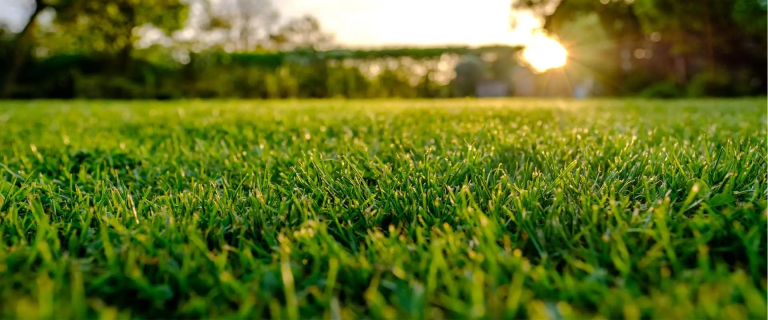
One of the most effective ways to prevent weeds from taking hold is to make your lawn as dense as possible. Weeds struggle to grow in a healthy, thick lawn because they are shaded out by the grass.
To maintain a thick lawn, consider overseeding if your lawn is sparse or patchy. This process involves sowing additional grass seed to fill in gaps, which will reduce the space available for weeds to grow.
5. Dealing with Specific Weeds
Certain weeds may require special treatment. Here’s a quick guide for dealing with some of the most common lawn weeds:
Dandelions: Dandelions have deep taproots that can be difficult to remove. Use a weed puller or dig them out by hand, making sure to get the entire root.
Crabgrass: This annual weed can be controlled with a pre-emergent herbicide applied in early spring before the seeds germinate.
Clover: Clover thrives in lawns with low nitrogen levels. Fertilizing your lawn with a nitrogen-rich fertilizer can help discourage clover.
Nutsedge: This aggressive weed can be controlled using selective herbicides, but it’s important to catch it early before it spreads too much.
6. Timing Is Everything
When it comes to weed control, timing is crucial. The best time to apply pre-emergent herbicides is in early spring, just as the soil begins to warm up. For post-emergent herbicides, apply them when the weeds are actively growing, usually in late spring or early summer.
Weed control is a year-round process. In the fall, apply a fertilizer that is high in potassium to help strengthen your grass and prepare it for the winter months.
7. Conclusion: Keep Weeds at Bay for a Greener Lawn
Weed control doesn’t have to be a never-ending battle. By following proper lawn care practices, identifying weeds early, and using the right control methods, you can keep your lawn looking lush and weed-free.
The key is consistency. With regular maintenance and a proactive approach, you’ll be able to enjoy a healthy, vibrant lawn free of unwanted weeds. Whether you choose natural or chemical treatments, the important thing is to stay on top of your lawn care to prevent weeds from taking over.
Happy gardening! 🌱